
Pixel Media: Learning Media Literacy Through Play
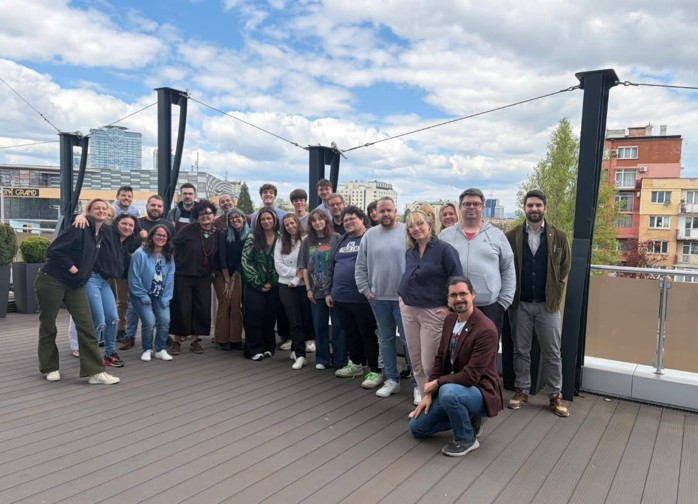
From 20 to 24 April 2026, Sofia hosted an international training for educators within the European project Pixel Media – Video Game to Develop Media Literacy. The event brought together education professionals and game developers from different European countries to explore how digital tools, open educational resources and video games can make media literacy more engaging, practical and inclusive. The training was designed not only to present the results of the Pixel Media project, but also to create a space for exchange, experimentation and collaboration. Through theoretical discussions, practical workshops and group activities, participants examined how educators can help learners navigate misinformation, digital overload, algorithmic influence and increasingly complex online environments.
From theory to practice
A central feature of the training was its practical focus. Participants were introduced to open educational resources developed within the Pixel Media project, including Mediaquiz and Pixelpedia. These tools demonstrate how digital resources can support flexible, learner-centred and inclusive educational approaches. Rather than treating learners as passive recipients of information, the activities encouraged educators to involve them actively in the learning process. Participants explored how digital tools can be adapted to different age groups, subjects and educational settings.
This approach is particularly valuable when working with learners who may need alternative ways to participate, express themselves and build confidence. Interactive learning can create opportunities for discussion, cooperation and reflection that are not always possible through traditional teaching methods.
Video games as educational tools
One of the most engaging elements of the training was the focus on video games in education. Participants first experienced the Pixel Media video game from the perspective of learners. They then explored how gameplay could be connected to specific educational goals. This two-step process was important. Educators were not simply shown a finished digital product; they had the opportunity to test it, discuss their reactions and consider how it could be used in practice.
Video games can create a meaningful learning environment because they invite players to make decisions, interpret information, solve problems and respond to consequences. When accompanied by a clear pedagogical structure, gameplay can support critical thinking and encourage learners to discuss the choices they make. The training also showed that game-based learning is not about using technology for its own sake. The most important question is not whether a tool is digital, but whether it helps learners understand a topic more deeply and participate more actively.
Collaboration across Europe
In addition to developing professional skills, the training created opportunities for educators from different countries to exchange experiences. Participants discussed the realities of their own educational systems, shared examples from their classrooms and considered how media literacy activities could be adapted to different communities. This cross-cultural dimension was one of the strengths of the event. Although educational contexts may differ, many of the challenges are shared: misinformation spreads across borders, digital platforms influence users everywhere and young people need support in understanding the media environment around them.
Building a more critical digital generation
The Pixel Media training in Sofia demonstrated that media literacy can be taught in creative, collaborative and participatory ways. Video games, digital tools and open educational resources can support learning, but their real value depends on how they are integrated into a broader educational process.
The aim is not simply to teach learners how to use technology. It is to help them become more thoughtful users of information: people who can question what they see, recognise manipulation, listen to different perspectives and participate responsibly in democratic and digital life.
The training showed that when educators are given the right tools, space for collaboration and opportunities to experiment, they can make media literacy more accessible and relevant. Through initiatives such as Pixel Media, digital learning becomes not only more interactive, but also more meaningful for the challenges young people face today.
The informal cultural programme, including a guided tour of Sofia, further supported networking and intercultural exchange. It allowed participants to continue their conversations in a relaxed setting and strengthen the professional connections developed during the training.